







Search Results for: fragrant acidity
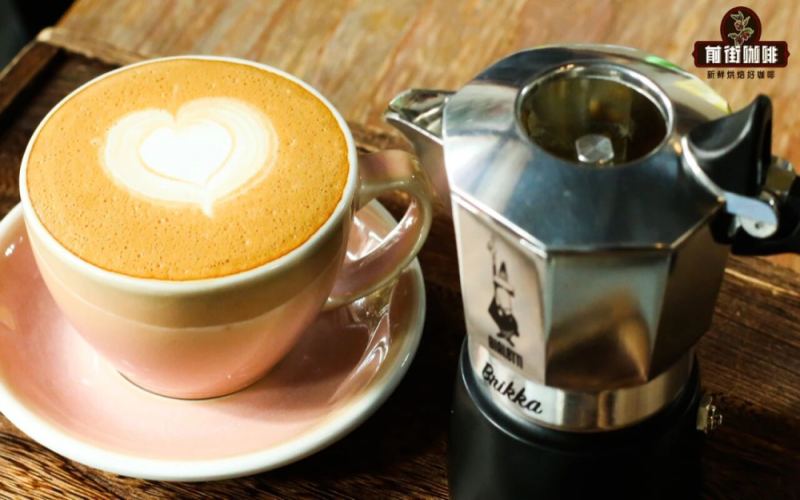
Brewing a Latte with a Moka Pot | How to Make an Americano Latte with a Moka Pot? How to Increase the Strength of Moka Pot Coffee? Moka Pot Usage Tips and Safety Precautions
"It can serve as a substitute for an espresso machine" — this is a reason that convinces many friends to make up their minds to buy a moka pot. Since the moka pot, like an espresso machine, uses pressure extraction, it can produce coffee with a higher concentration than atmospheric pressure extraction. And the reason many friends need this high concentration [more…]
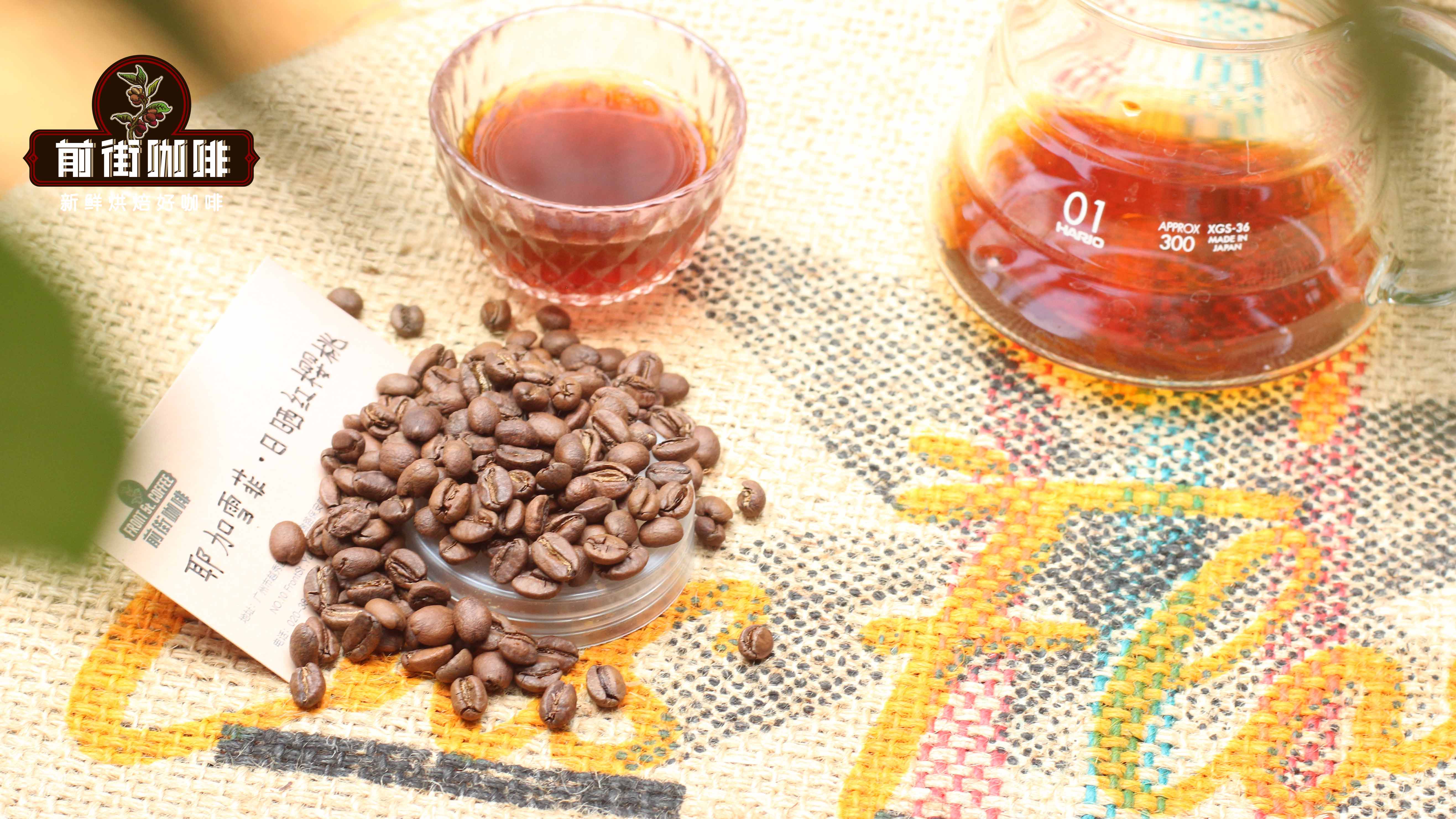
Pour-over espresso has a rich aroma but tastes bitter on the palate? Analyzing the difference between smelling and tasting from a sensory mechanism perspective
Many coffee enthusiasts, when grinding and brewing specialty coffee, are drawn in by alluring aromas like strawberry, jasmine, citrus, and honey, yet after one sip, they often taste pronounced bitterness and acidity, a far cry from the expected sweetness. This phenomenon of smelling fragrant but tasting bitter actually stems from the different sensory systems we engage when smelling versus tasting. This article, starting from this topic often discussed at Front Street, will analyze in detail the mechanisms of orthonasal and retronasal olfaction, explain the changes in aroma compounds within the oral cavity, and why the impact of taste overshadows aroma perception. At the same time, we will also share a simple and practical tip—closed-mouth exhale—to help you capture richer layers of aroma after swallowing coffee, and demonstrate flavor expression with practical examples. [more…]
Cocoa-flavored moka pot beans, even more fragrant when enjoyed at the right time.
If you want to taste flavors like cocoa, nuts, and caramel from a moka pot, don't just look at the flavor labels when buying beans—pay attention to the roast date and how quickly you open and finish the bag. When coffee beans first leave the roaster, they still hold a large amount of carbon dioxide internally, and their aroma hasn't yet stabilized; leave them too long, and the aroma and sweetness gradually fade. When choosing and drinking beans, [more…]
A Review of Eight Instant Coffee Brands: Nescafé Tops the List, with Each Brand's Features and Taste Explained One by One
The instant coffee market is crowded with brands, each with its own distinct character. This article reviews eight well-known instant coffee brands—from Nestlé, the inventor of instant coffee, to the popular Korean brand Maxwell, Germany's Cless, Japan's UCC, Colombia, Grant, Ming Coffee, and Hong Kong's Tsit Wing—introducing each brand's background, product features, and taste profile one by one. Nestlé sells 4,000 cups globally every second, Maxwell wins on value for money, UCC sticks to a quality-focused path, Grant specializes in Italian-style cappuccino, and Tsit Wing offers a low-calorie light series. Whether you're an office worker seeking a caffeine boost or a coffee enthusiast who cares about flavor, you'll find something useful in this roundup. [more…]
How to brew Anaerobic Natural Geisha for a sweet, fragrant cup? Analyzing the key brewing points for Panama 90+ Estate Eleta and the reasons behind Ninety Plus's rise to fame
Anaerobic natural Geisha has an intense aroma and complex flavors, yet many coffee enthusiasts find it easy to end up with an extreme cup that is both bitter and sour when brewing. This article uses Eleta from Panama's 90+ estate as an example to explain why this bean adopts the anaerobic natural process, and how it differs from regular Geisha in density, drainage speed, and extraction efficiency. Front Street will combine brewing experience to share how to adjust grind size and water temperature for heavily fermented beans, so that sweetness notes like wine, longan, sweet orange, and pineapple come through more clearly, while also touching on why 90+ estate and Ninety Plus Geisha are so famous in the specialty coffee world. [more…]
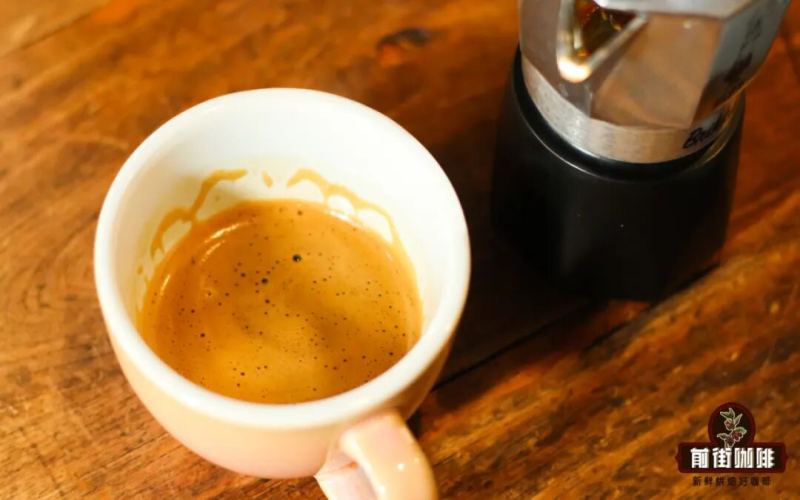
Moka Pot Coffee | How to Make a Latte with a Moka Pot? What Are the Brewing Parameters for Making Milk Coffee with a Moka Pot?
“It can serve as a stand-in for an espresso machine” — this is the reason that convinces many friends to make up their minds to buy a moka pot. Since the moka pot, like an espresso machine, uses pressure extraction, it can produce coffee with a higher concentration than atmospheric-pressure extraction. And the reason many friends need this high concentration [more…]
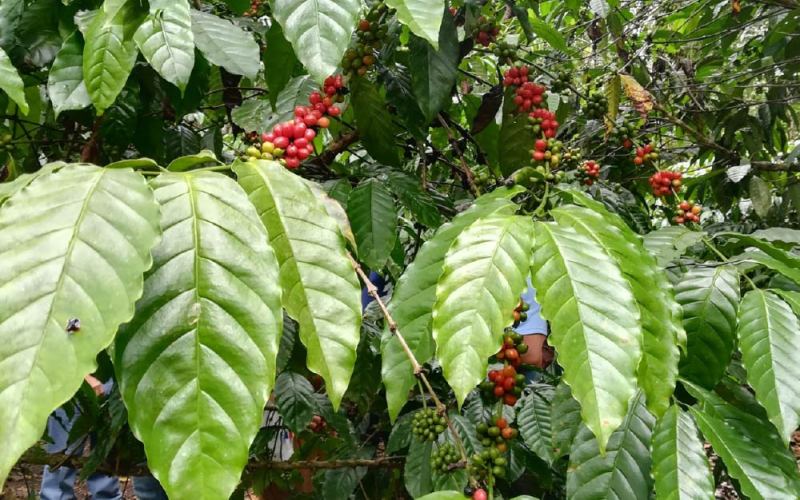
Analysis of Geisha Coffee Flavor Characteristics: How to Identify Authentic Panamanian Geisha Coffee Beans
Geisha coffee is famous for its rich floral aroma, complex fruit acidity weaving together citrus and peach, creamy smooth mouthfeel, and a sweet oolong tea-like finish, making drinkers feel as if they are enjoying a fragrant fruit tea rather than coffee. Among these, Geisha produced in the Panama region is especially outstanding. This article will take you through Geisha's legendary journey from the forests of Ethiopia to becoming a competition champion in Panama, analyze its delicate growing conditions and the reasons for its low yield, and compare the differences in bean shape and flavor between Panamanian and Ethiopian Geisha. It will also recommend products worth trying, such as Front Street Coffee. Emerald Red Label Geisha, helping coffee lovers build a systematic approach to identification. [more…]
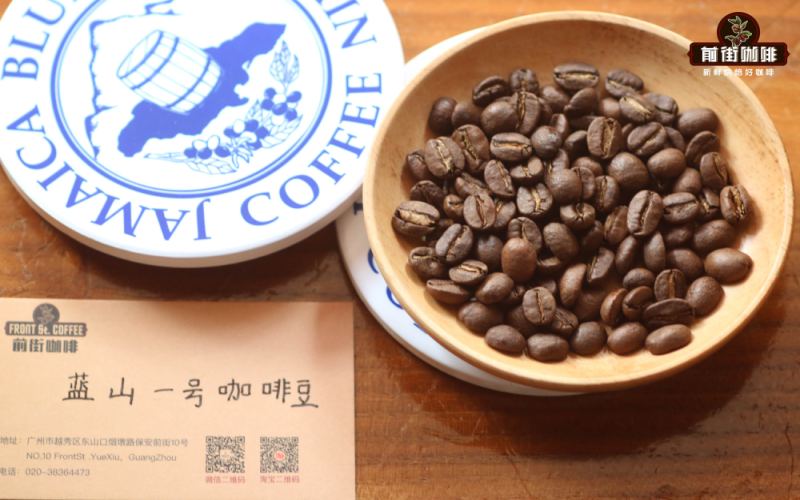
An Analysis of Jamaican Blue Mountain Coffee Flavor Characteristics: A Complete Guide to the Taste of Classic Coffees Such as Blue Mountain, Mandheling, and Mocha, and Italian-Style Drinking Methods
On a weekend afternoon, whether you're enjoying the quiet alone at a corner café or inviting friends over to drink together, choosing the right cup of coffee often determines the atmosphere for the whole afternoon. Faced with a dazzling array of American-style and Italian-style coffees, are you clear about the flavor characteristics of each one? This article systematically sorts out the origins and tastes of classic American-style coffees such as Blue Mountain, Mandheling, Mocha, Brazil, and Kenya, and introduces the composition and drinking methods of Italian-style drinks such as latte, cappuccino, Irish coffee, macchiato, and con panna, helping you make a more suitable choice based on your taste preferences. It also includes related recommendations from Front Street Coffee. [more…]
Authentic Americano Flavor Profile Analysis and Standard Brewing Ratio Guide
As a widely popular coffee category, Americano's taste characteristics and brewing standards have always been a focus of attention for coffee enthusiasts. This article will provide an in-depth analysis of the flavor performance that authentic Americano should have, including the balance of aroma, acidity, bitterness, and sweet aftertaste, while also clarifying the powder-to-water ratio for standard Americano. In addition, the article also compiles the flavor characteristics of several classic coffee beans under the Front Street Coffee brand, covering origins such as Blue Mountain, Mandheling, Mocha, Brazil, and Kenya, helping readers fully understand the making and tasting of Americano from bean selection to extraction ratio. [more…]

A Complete Guide to Brewing Colombian Coffee: Sidra Fruit-Forward Beans, Huila Region Flavors, and Pour-Over Parameters
Colombian coffee is renowned for its diverse styles, featuring both fresh and fragrant fruity notes and the classic expression of mellow balance with a chocolate-sweet finish. This wide-ranging flavor profile makes it unique in the global specialty coffee landscape. This article, from the perspective of Front Street Coffee, will examine how the volcanic soil regions of southern Colombia—Huila, Cauca, Nariño, and Tolima—nurture delicate acidity and berry sweetness through their high altitudes and equatorial advantages, and will highlight the flavor characteristics and roasting approaches of two beans sold by Front Street: Huila Washed and Sidra Double Anaerobic Natural. The article will then provide a complete breakdown of the pour-over process for medium-roast Colombian coffee, covering equipment preparation, grind size selection, coffee-to-water ratio, water temperature control, and the three-stage pouring rhythm, helping enthusiasts consistently recreate a fragrant cup of Colombian pour-over at home. [more…]
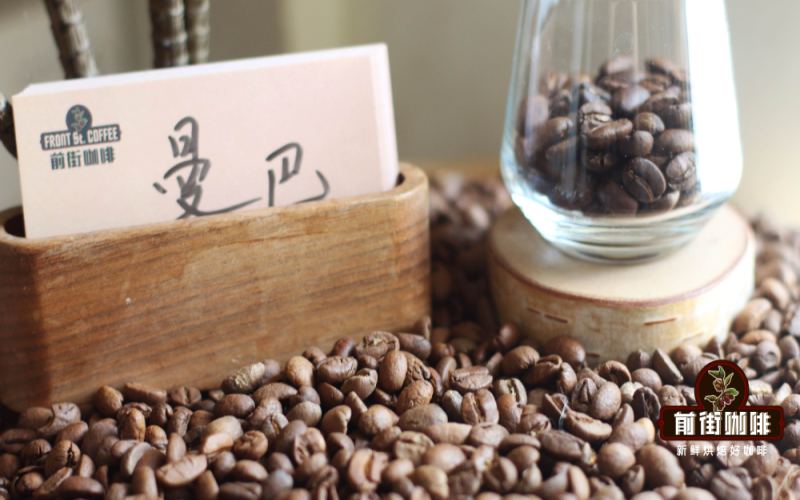
A Full Analysis of Espresso Blend Coffee Bean Recipes: Sharing Front Street's Three Blends and Bean-Blending Tips
Blending coffee beans means mixing single-origin beans from different regions in certain proportions so that their respective strengths complement or reinforce one another, thereby achieving a more balanced and stable flavor performance. This practice is especially common in Italian-style coffee: beverages such as Espresso, Americano, Latte, and Cappuccino are mostly based on blended beans. Blending can involve mixing green beans before roasting, or roasting each separately and then blending; the specific choice depends on the characteristics of each bean in the recipe. This article centers on the basic logic of blending, and, in conjunction with Front Street Coffee's three espresso blend formulas—Specialty Blend, Commercial Espresso Blend, and Basic Espresso Blend—introduces the flavor characteristics of the origin beans used, the roasting approach, and the final presentation, while also sharing the principle of primary-secondary pairing in blending, to help coffee enthusiasts and shop owners find the right balance between flavor and cost. [more…]
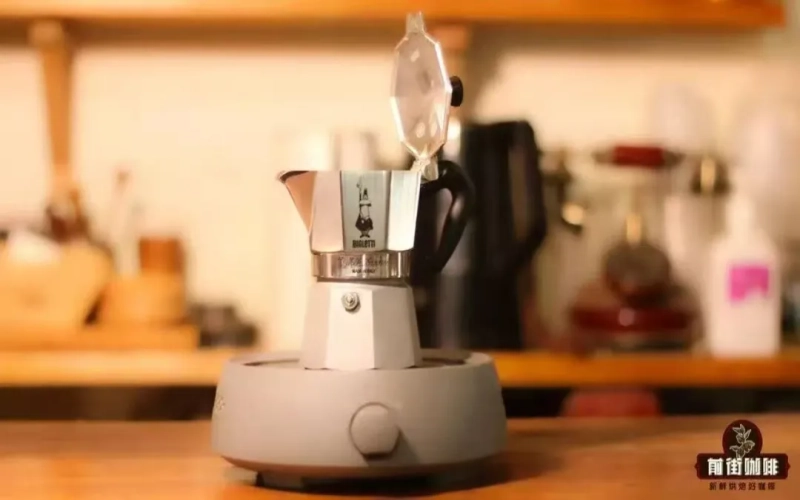
Can a Moka Pot Make a Rich and Creamy Latte? A Practical Guide to Parameter Adjustment and Milk Ratios
Many coffee enthusiasts see the moka pot as a budget-friendly alternative to an espresso machine, hoping to use it to make a rich, aromatic latte. In practice, however, they often find that the result tastes thin and watery, far from the rich, milky coffee drinks served in cafés. The root of the problem lies in two things: the moka pot's extraction pressure is far lower than that of an espresso machine, and the standard parameters are only suited to making black coffee. This article will explain in detail how to increase the strength of moka pot coffee by adjusting the water amount, grind size, and extraction time, and will provide specific ratios and step-by-step instructions for pairing it with milk, helping you easily make a smooth, delicious moka pot latte at home. [more…]
Is Blue Mountain Coffee Suitable for Siphon Brewing? A Full Analysis of Temperature, Grind Size, and Operational Details
Can brewing Blue Mountain coffee with a siphon pot bring out its delicate and refined flavors? This article uses Front Street Blue Mountain coffee as an example to share the complete process from coffee powder dosage, water quality, heat level, to stirring and tasting timing. The siphon brewing method has many variables and is the hardest to standardize, but by mastering key points such as keeping the water temperature not too high, controlling the time within one minute, and stirring gently, you can avoid the bitterness and unpleasant sourness caused by over-extraction. The article also discusses coffee powder freshness, misunderstandings about tannic acid, and the brewing principles for medium-light roasted Blue Mountain coffee, helping coffee enthusiasts use a siphon pot to brew a balanced, sweet, and mellow Front Street Blue Mountain coffee that becomes more fragrant as it cools. [more…]

A Complete Guide to Coffee Flavors: From Classic Americano to Italian-Style Specialty Drinks—Understanding Blue Mountain, Mandheling, and More in One Go
On a weekend afternoon, whether you're enjoying the quiet alone at a corner café or inviting friends over to drink together at home, choosing the right cup of coffee often sets the tone for the entire experience. Do you truly understand the flavor differences among various types of coffee? Starting from the two main branches—American-style and Italian-style—this article breaks down one by one the taste characteristics of classic single-origin coffees such as Front Street Blue Mountain, Front Street Mandheling, Mocha, Brazil, and Kenya, as well as Italian-style specialty drinks like Latte, Cappuccino, Irish Coffee, Macchiato, and Con Panna, helping you find the cup that best suits your taste buds. [more…]
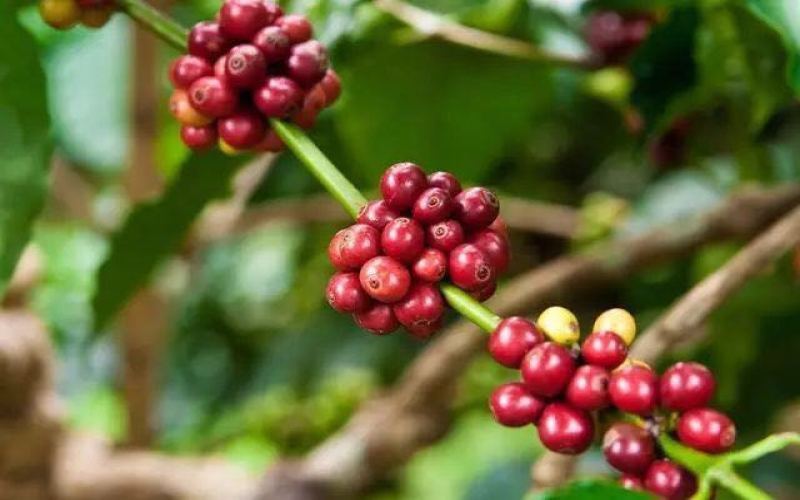
A Comprehensive Analysis of Hainan Coffee Bean Varieties and Processing Techniques: The Unique Flavor of Robusta and the Traditional Sugar-Roasting Method
When it comes to Chinese coffee, most people first think of Yunnan, but Hainan is in fact also one of the country's important coffee-producing regions. Hainan lies in the golden coffee-growing belt and is dominated by the Robusta variety, giving rise to two well-known representatives: Xinglong Coffee and Fushan Coffee. Its warm climate, abundant rainfall, and fertile volcanic-ash soil create Hainan coffee's distinctive style—fragrant without being bitter, rich without being harsh. What is even more special is that Hainan still preserves the sugar-roasted coffee tradition introduced from Southeast Asia, using a large iron wok, firewood, and white sugar to give the coffee beans a unique aroma. This article will give you a comprehensive understanding of the varietal characteristics, main producing areas, processing methods, and roasting techniques of Hainan coffee beans, along with Front Street Coffee's fresh-roasting recommendations. [more…]
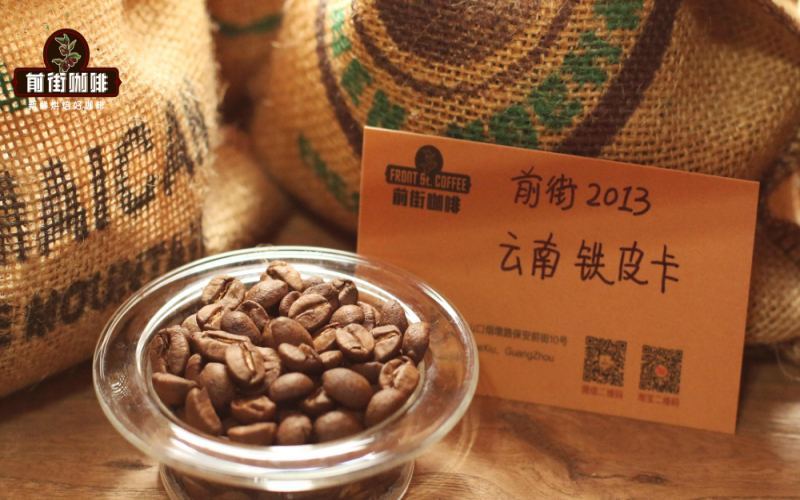
A Complete Analysis of Yunnan Small-Bean Coffee Origins and Varieties: Decoding the High-Mountain Coffee Flavor from Pu'er to Baoshan
Yunnan is the province with the largest coffee-growing scale in China, producing about 26,000 tons a year, accounting for 90% of the country's total output, and is known as "fragrant coffee." Counting from 1904, when a missionary planted the first coffee seedling in Zhugula Village, Binchuan, Yunnan coffee has gone through more than a century. The four major producing regions—Pu'er, Lincang, Baoshan, and Dehong—each have their own characteristics. The main varieties are Catimor and Typica, and the processing methods are mostly washed and natural. Front Street Coffee has built its own estate in Lincang, began growing Typica in 2013, and launched the "Front Street 2013" natural bean. This article will give you a comprehensive understanding of the true character of Yunnan high-altitude coffee beans from aspects such as origin, variety, processing method, and brewing suggestions. [more…]
From Color, Aroma, and Taste to Personal Preference: A Comprehensive Guide to Coffee Quality Appreciation and Flavor Selection
The color, aroma, and taste of coffee originate from a series of complex chemical reactions during the roasting process. Only when the essential components of green beans reach a balanced state can a good cup of coffee be achieved. This article will analyze the constituent elements of coffee quality from four dimensions: aroma, bitterness, acidity, body, and sweetness, and share how to savor coffee through temperature, portion size, and concentration. Finally, we will also explore coffee bean choices for different taste preferences, including moderate, intense, mild, and minimalist, helping you find the cup that suits you best among brands like Front Street Coffee. [more…]
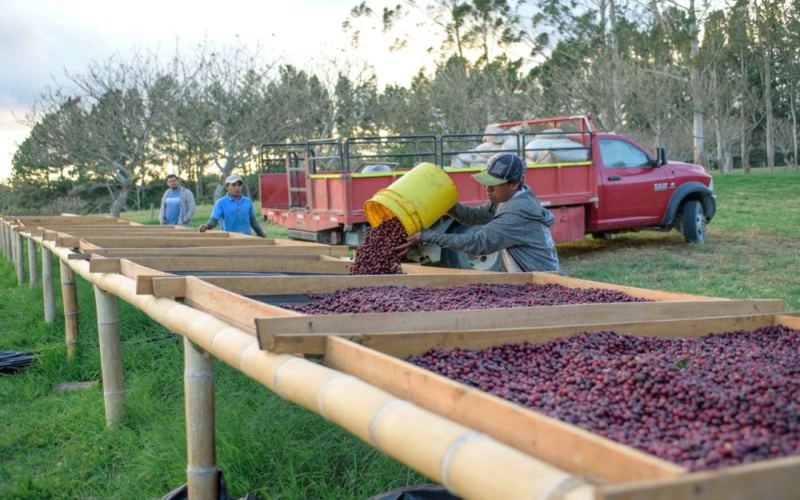
A Detailed Guide to Pour-Over Parameters for Panama Geisha: Flavor Exploration from Hacienda La Esmeralda's Red and Green Labels to Entry-Level Geisha
The reason Geisha has taken the world by storm owes much to the discovery and promotion by Panama's Hacienda La Esmeralda. After winning the BOP in 2004, the name Geisha spread across the globe, and its cup—with its rich floral aromas, citrus-and-peach-like sweetness and acidity, creamy smooth mouthfeel, and oolong tea-like finish—makes one feel as if they are drinking a fragrant fruit tea. This article will walk you through the differences between Hacienda La Esmeralda's Red Label and Green Label, their respective flavor profiles, and Front Street Coffee's recommended entry-level Panama Boquete washed Geisha, and share V60 pour-over parameters and staged extraction techniques to help you fully appreciate Geisha's delicate flavors. [more…]
The Unique Flavor of Yunnan Specialty Coffee Beans and Pour-Over Methods: Arabica Origins, Quality, and Brewing Techniques
Yunnan, as China's main coffee-producing region, owes its naturally favorable conditions—low latitude, high altitude, and marked day-night temperature differences—to the cultivation of aromatic small-bean coffee whose taste is often described as close to Colombian coffee. Yet this high-quality region has long relied on exporting raw materials, with deep processing and brand promotion lagging behind, resulting in low name recognition. This article reviews the planting distribution, variety characteristics, and industry status of Yunnan coffee, and focuses on sharing pour-over brewing methods suited to Yunnan specialty coffee beans, including Front Street Coffee's product recommendations and practical tips, to help enthusiasts bring out the unique flavors of Yunnan beans at home. [more…]

Flavor Comparison of Coffee Beans from the World's Three Major Producing Regions: An Analysis of the Taste Characteristics of Africa, Latin America, and Asia
The coffee belt spans both sides of the equator, and more than fifty countries around the world produce coffee, but the regions that truly form the flavor map are mainly concentrated in three major areas: Africa, Latin America, and Asia. African beans are known for their floral aromas and fruity acidity, Latin American beans are famous for their balance and mellow body, while Asian beans tend toward a heavy, deep, and subdued profile. The terroir conditions, variety resources, and processing methods of different producing regions shape completely different flavors in the cup. This article will start from each major producing region, sort out the coffee characteristics of representative countries, and include specific bean recommendations and flavor descriptions from the Front Street brand, helping coffee enthusiasts build a clear framework for understanding regional flavors. [more…]